Monolithic Zirconia Crowns
One material, milled to final anatomy, stained and glazed. No porcelain to chip - which is why monolithic zirconia is the default for posterior and bruxism cases.
What we offer & who it is for
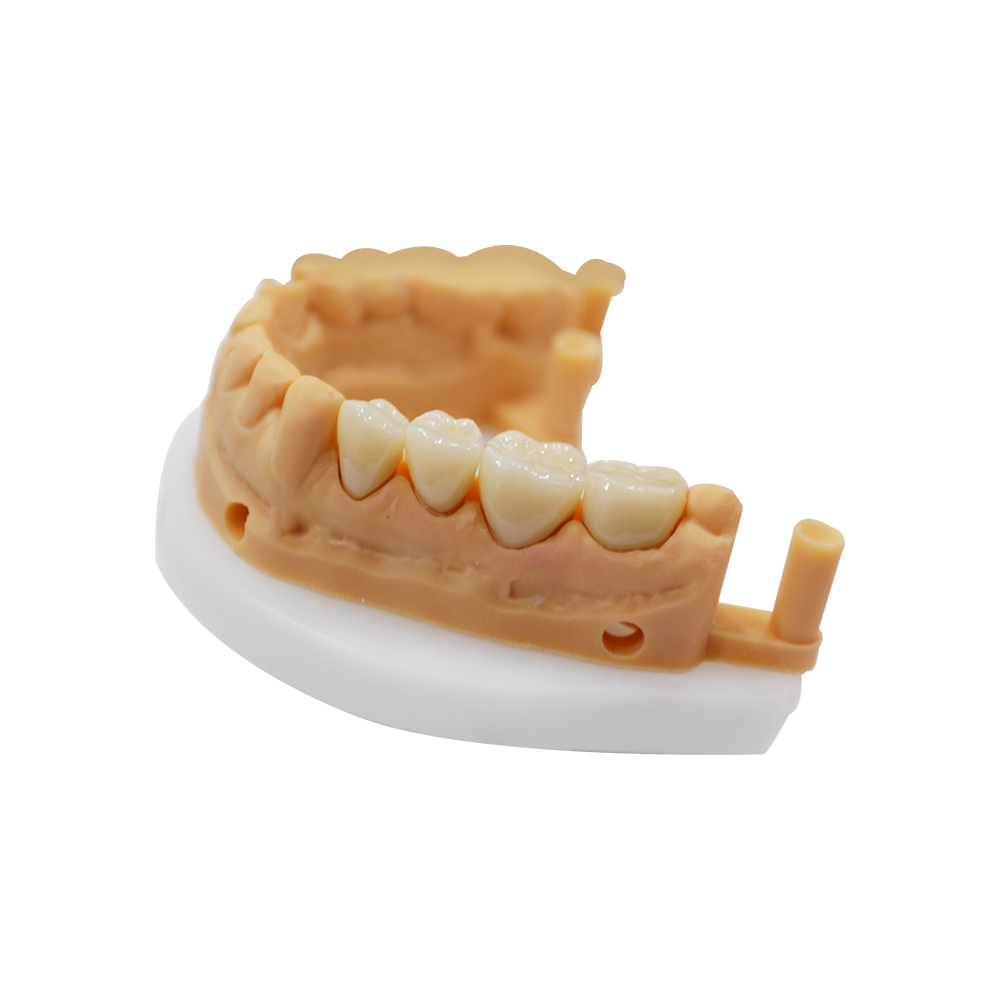
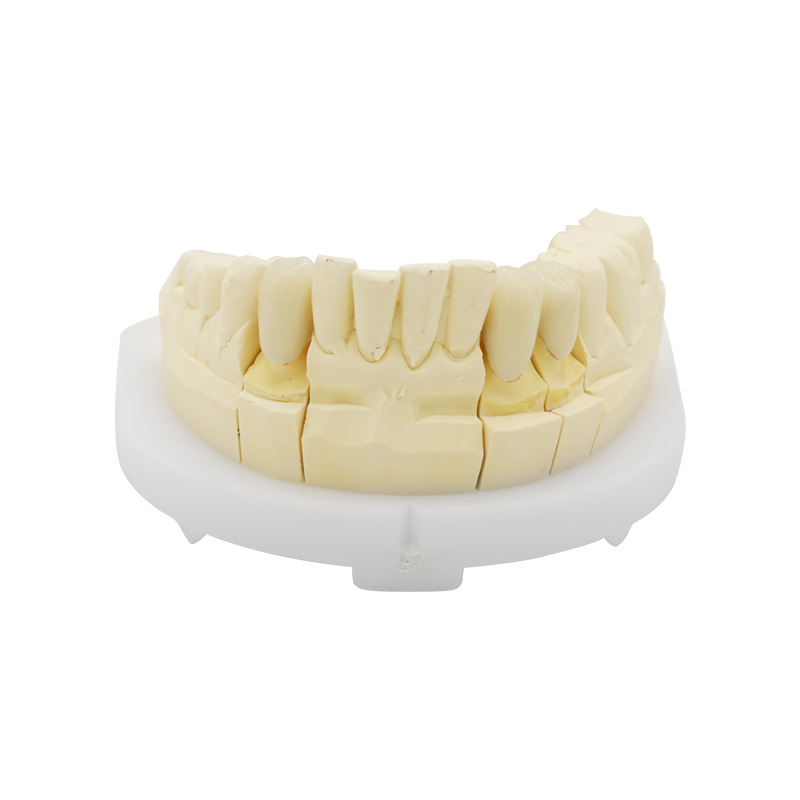
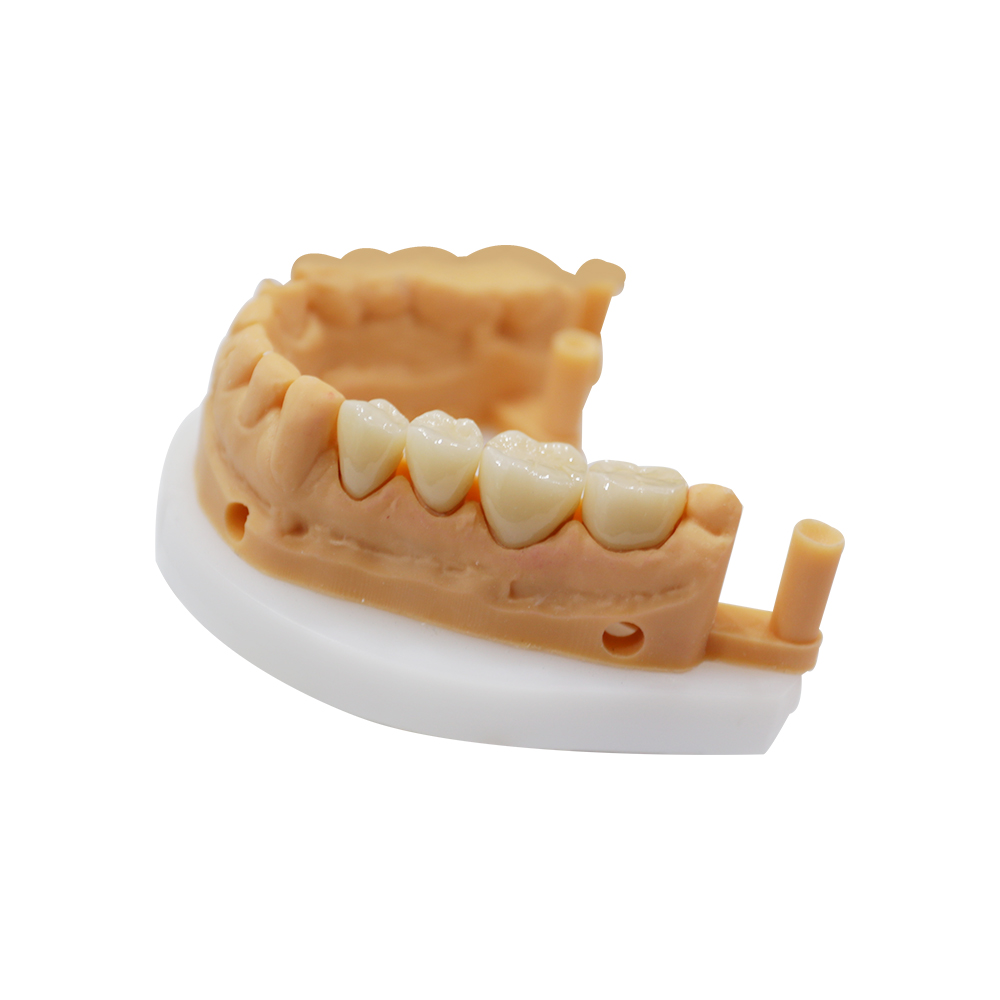
We manufacture monolithic zirconia restorations for practices and laboratories - posterior crowns and bridges, implant crowns and heavy-occlusion cases.
Work from this line
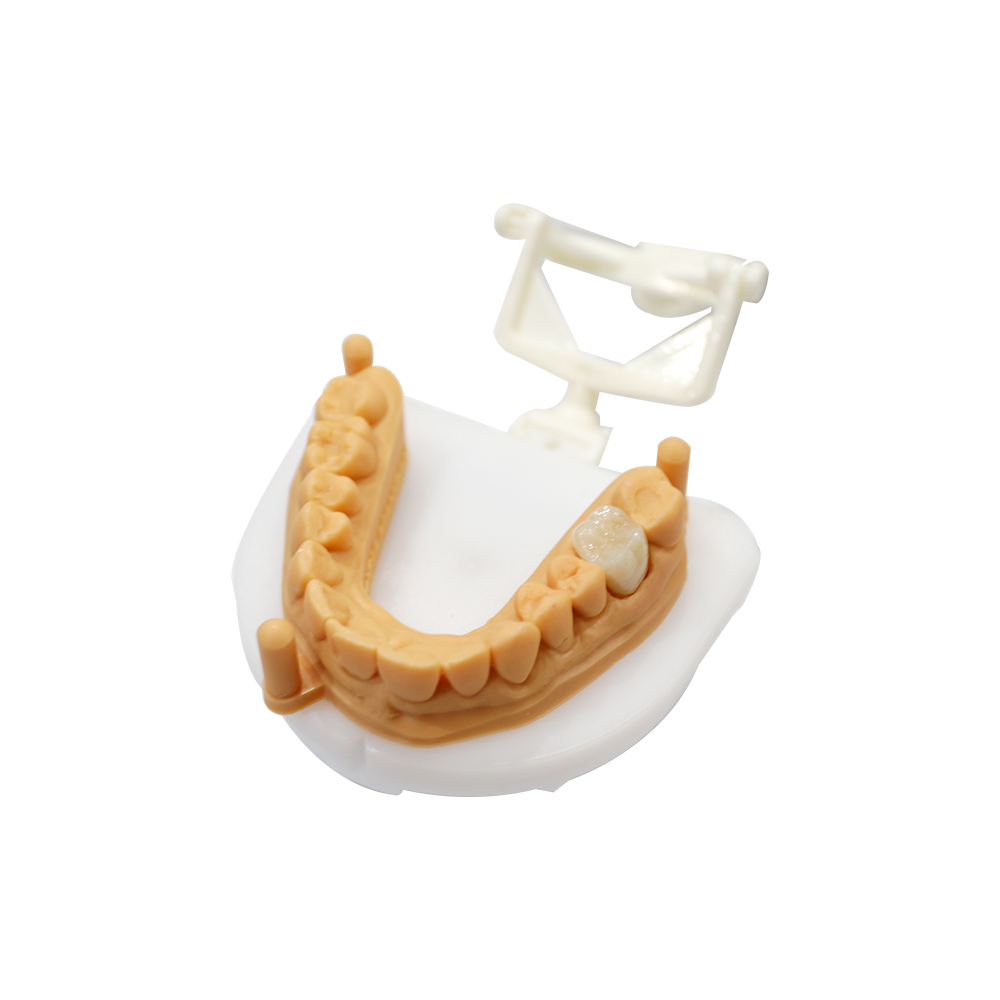
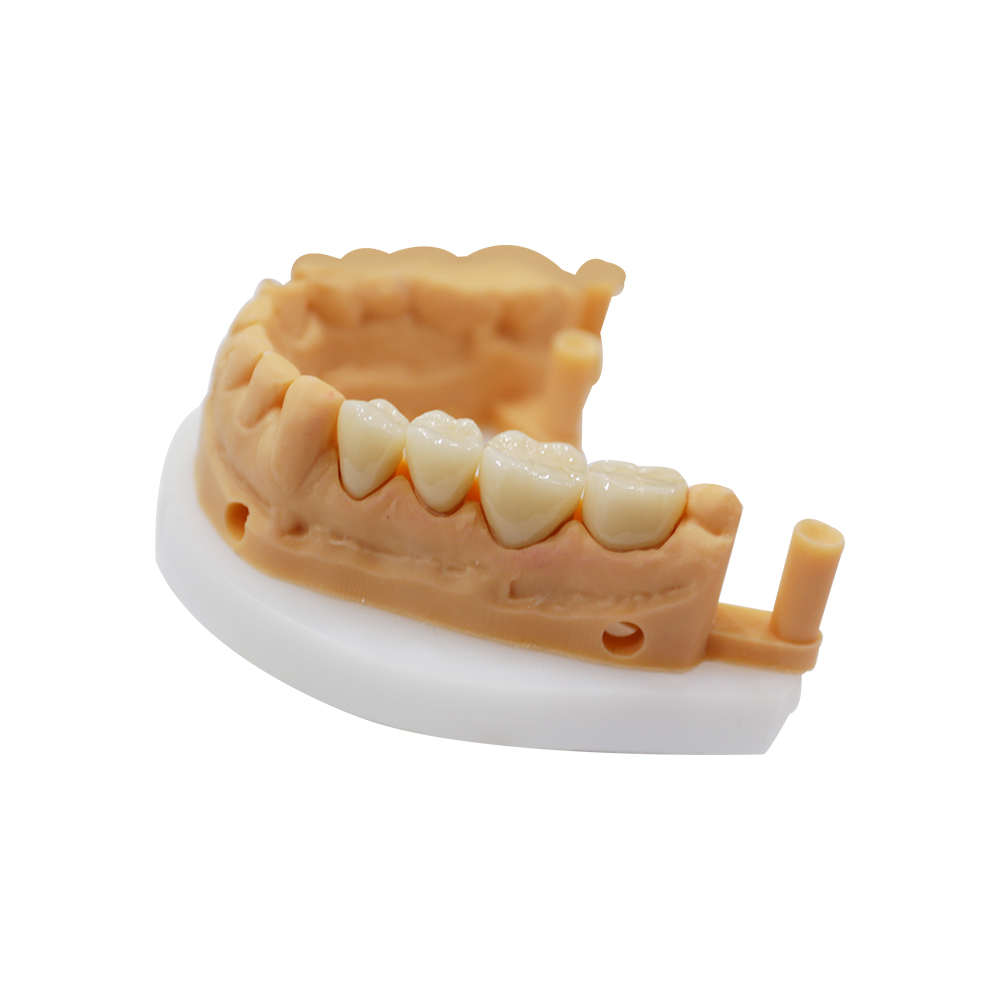
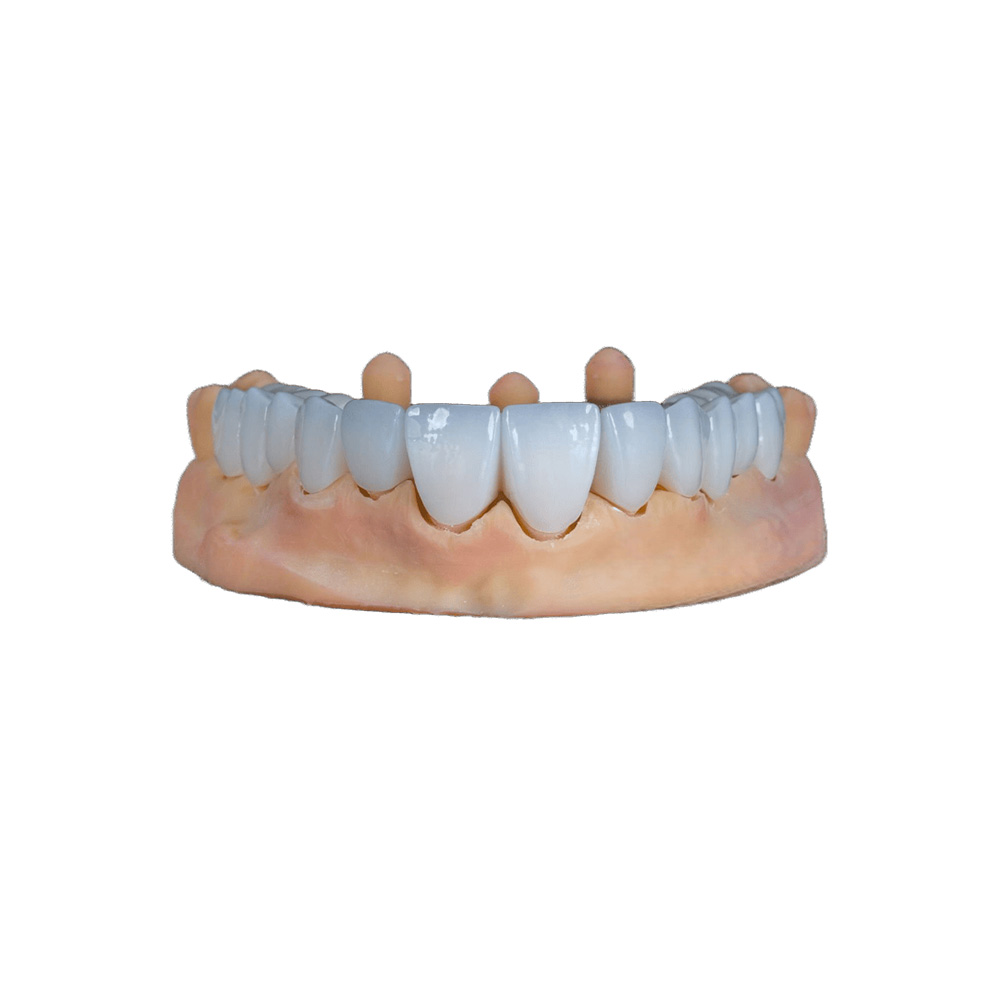
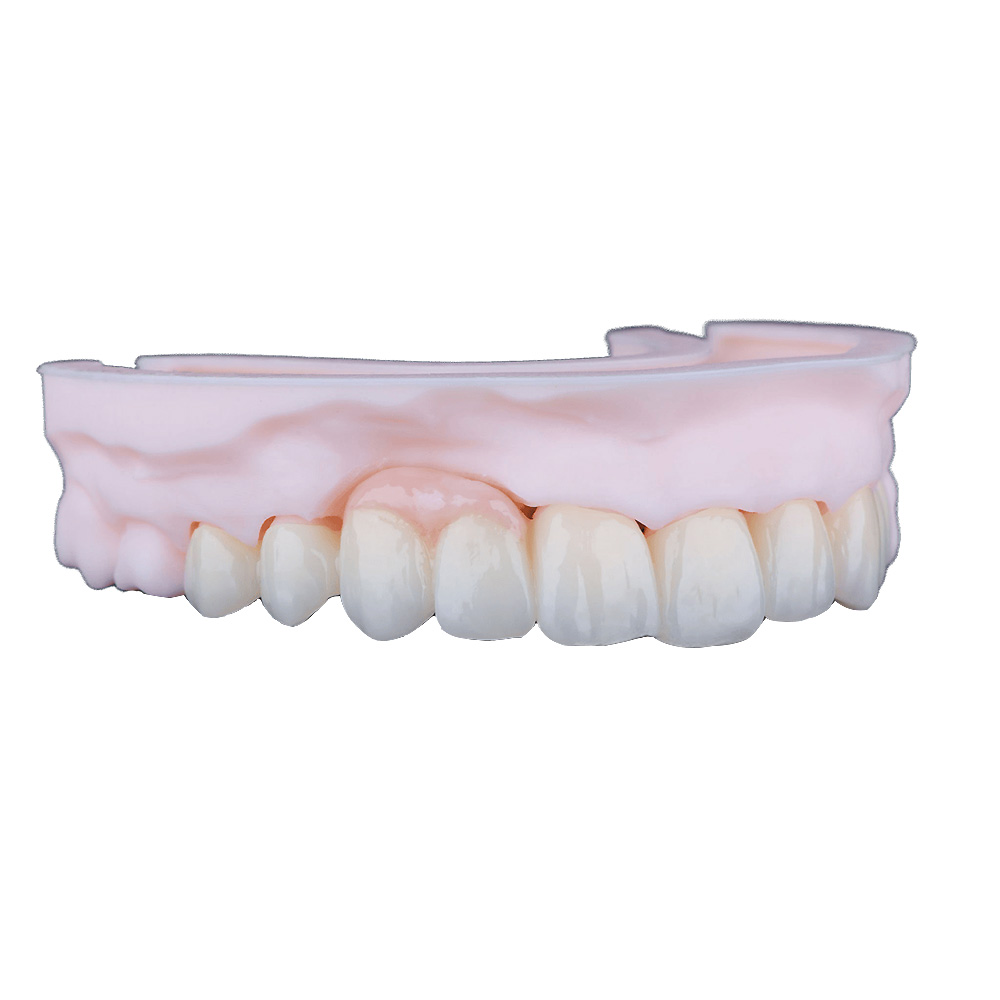
Options
| Materials | Multilayer gradient discs and high-strength discs, in VITA classical and 3D-Master shades. |
|---|---|
| Anatomy | Full-contour milled anatomy from libraries, adjusted to your preference profile; copy-existing-dentition on request. |
| Surface | Stained and glazed, or polished; antagonist-aware surface finish on request. |
| Occlusal design | Flat, anatomical, or matched to the antagonist dentition from your scan. |
Specifications & industry guidance
| Parameter | Industry reference | Notes |
|---|---|---|
| Flexural strength | 800-1,200 MPa (3Y/4Y grades) | No veneering porcelain - full-strength material |
| Recommended occlusal thickness | 1.0 mm minimum · 1.5 mm for bruxism | Thinner than 1.0 mm moves to 5Y/layered indications |
| Chipping resistance | Highest of the fixed prosthodontic options - no porcelain layer | Surface stains and glaze only |
| Cementation | Self-adhesive resin cement standard | Conventional cement acceptable on retentive preps |
| Typical indications | Posterior singles and bridges, implant crowns, bruxism, full-arch frameworks | Aesthetic-zone units usually go layered/E.max |
Practical guidance for your prescriptions
- Specify 'monolithic full-contour' plus shade; stained character is added at the staining/glazing stage.
- Reduce sharp occlusal anatomy requests for bruxism cases - steeper cusps concentrate load.
- Multilayer monolithic bridges: note the margin level so the enamel-like layer sits incisally/occlusally where it shows.
- For patients grinding through acrylic guards, monolithic zirconia is the standard upgrade path.
Reference figures are widely accepted industry values for the material/system class - case-specific parameters are confirmed at design. Reviewed by the Istar case coordination team.
Indications & limits
Monolithic zirconia trades incisal translucency for strength - for high-aesthetic anterior units we will usually propose layered zirconia or E.max before production.
Zirconia against porcelain antagonists needs a different polish than zirconia against enamel - tell us the antagonist so the surface finish is right.
What to submit with your case
- STL scan (or model/impression) of prepared tooth and opposing arch
- Rx form with shade, translucency level and margin design
- Antagonist material note (enamel / porcelain / zirconia)
- Bite registration for multi-unit cases
- Photos with shade tab for aesthetic-zone cases
How the case is made & checked
Inspected for marginal fit, proximal contacts, occlusion and colour at the standard checkpoints; records traceable to technician, equipment and disc batch.
Production time & shipping
Standard 2-3 lab day workflow for routine cases; the clock starts when data is complete and approved. Shipping is separate.
Real cases
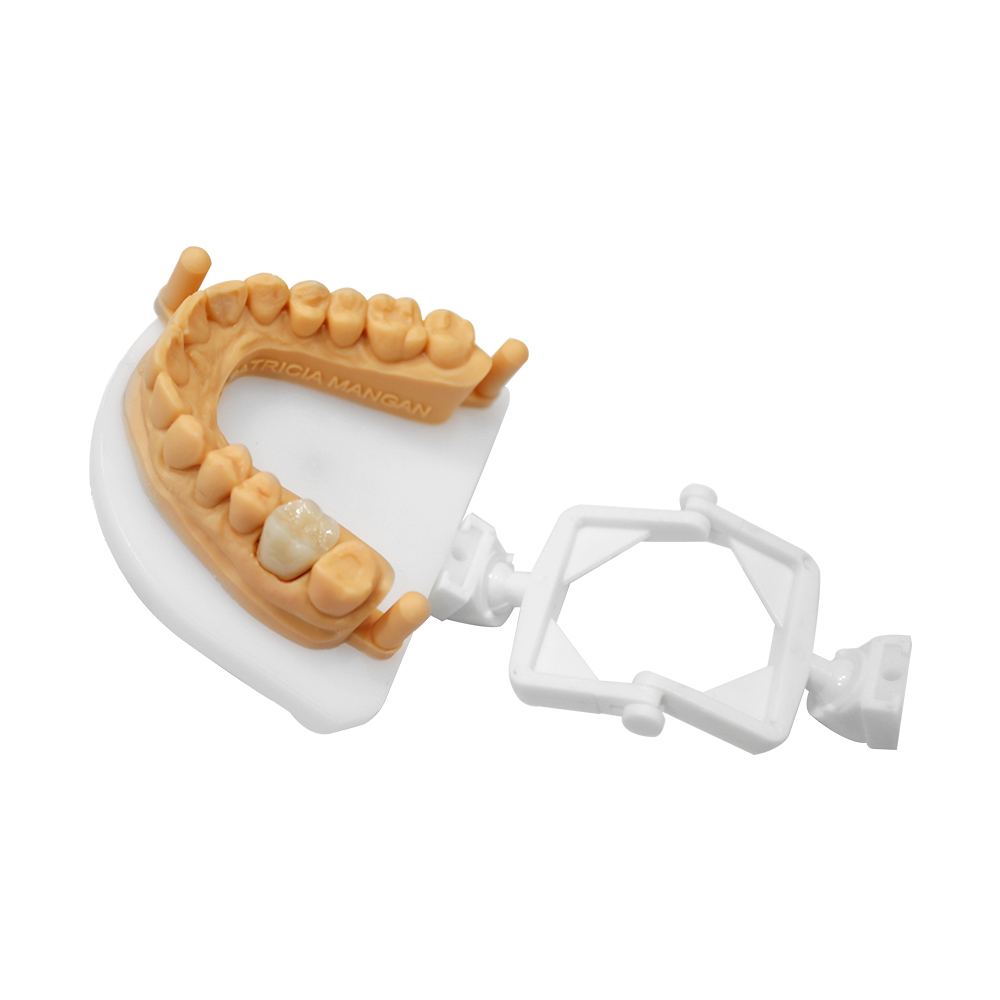
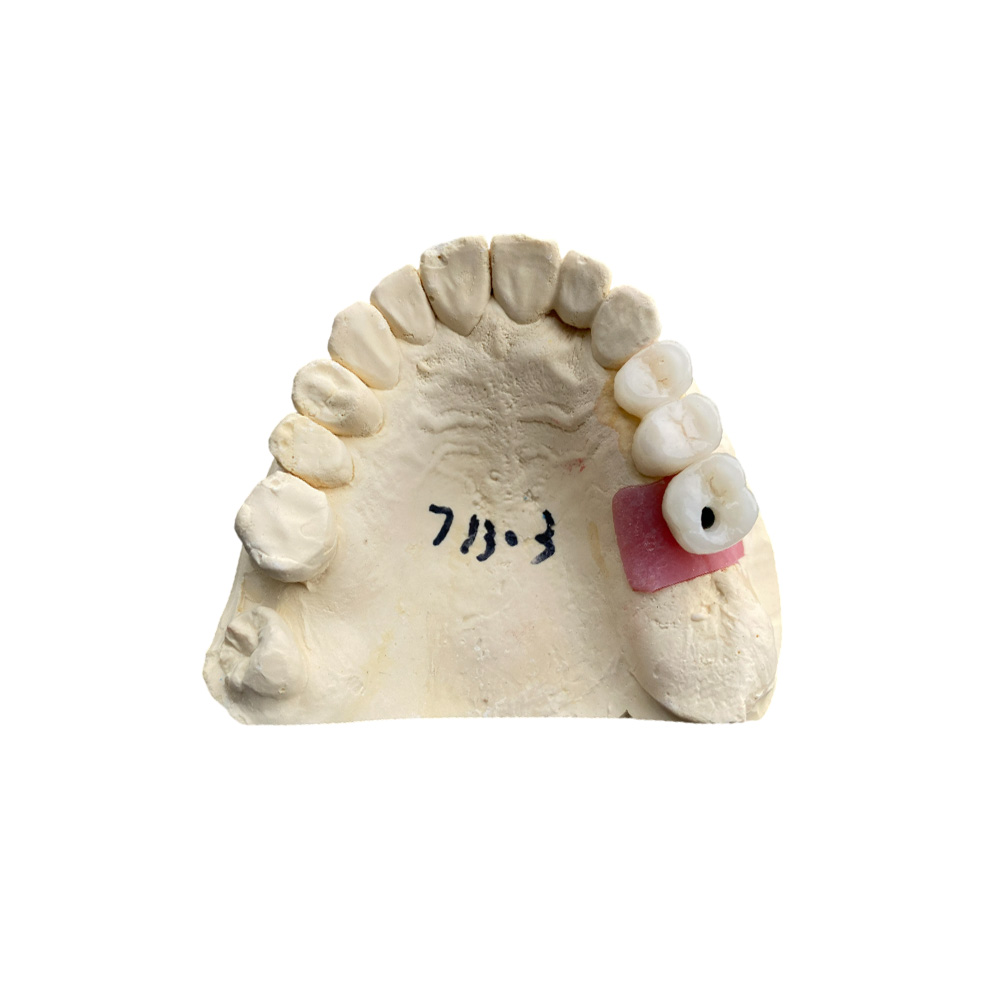
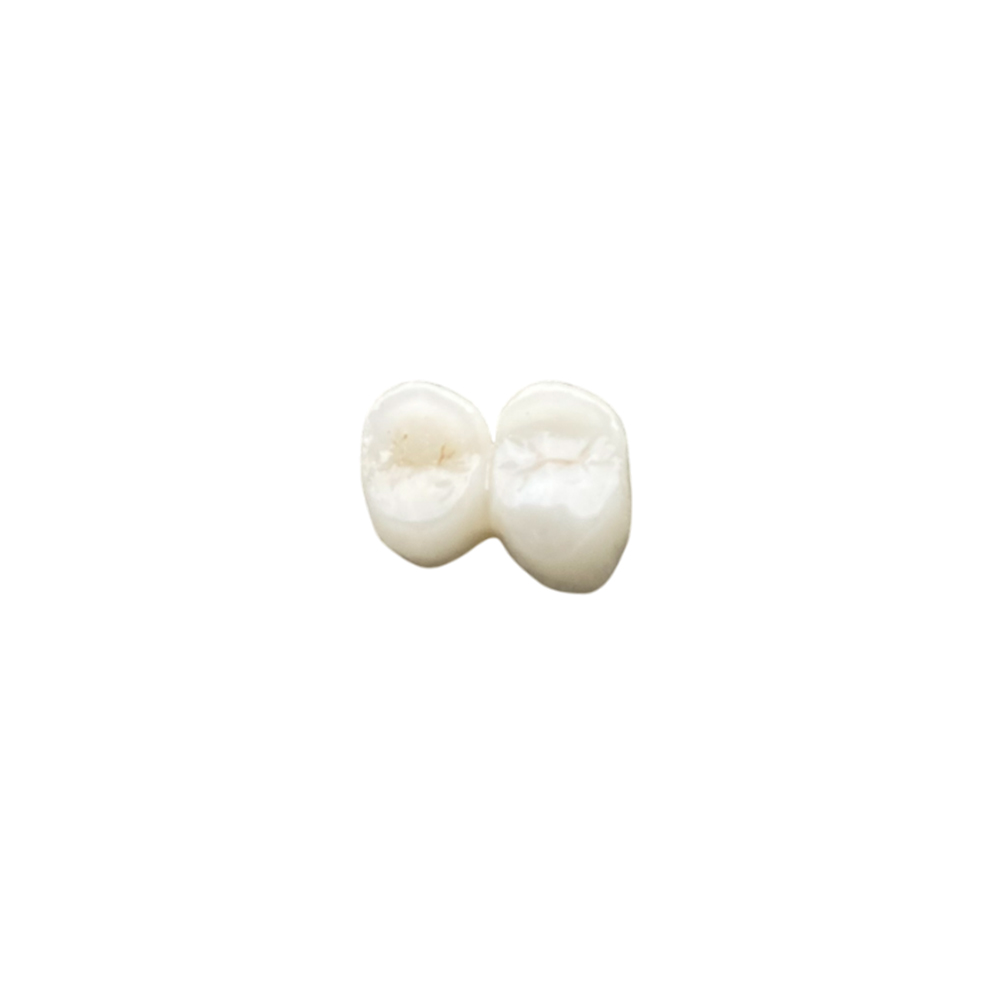
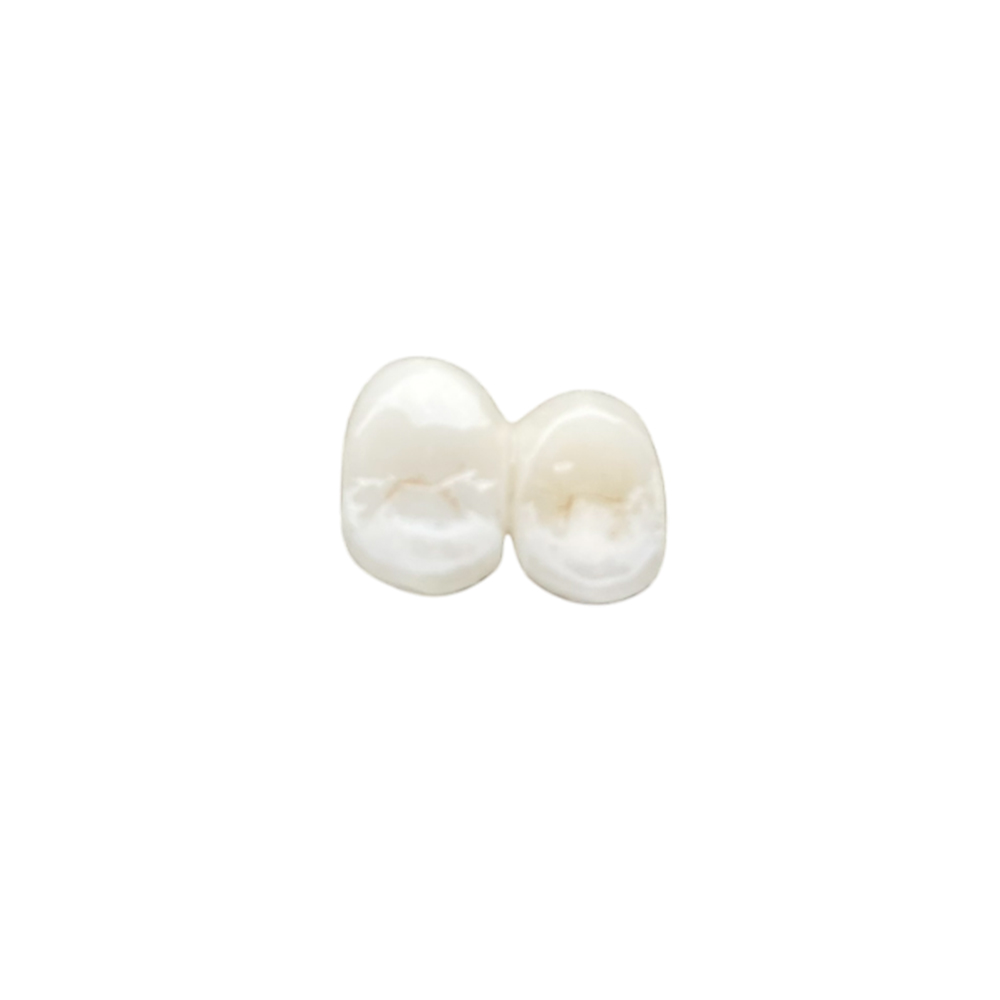
Posterior crown on a bruxism patient
A monolithic full-contour molar with a polished, antagonist-aware finish - chosen over layered porcelain because of the patient's grinding history and reduced clearance.
Pricing & fees
Priced per the B2B price list by restoration type; volume pricing for accounts. Freight and import duties billed separately; rush handling by written confirmation.
If something goes wrong
Laboratory-side remakes are covered free of charge - see the full remake & warranty policy. Every remake starts with a root-cause analysis you are part of.
Frequently asked questions
Will a monolithic zirconia crown look too opaque?
Is monolithic zirconia safe against natural enamel?
How strong is monolithic zirconia compared with layered?
Can monolithic zirconia still look natural?
What is the longest bridge you accept in monolithic zirconia?
Do you need a different prescription for monolithic work?
Ready to send your first case?
Request the price list or tell us about your first case - a named coordinator replies with the next step, not a sales script.
Get QuoteStart Your First Case