Zirconia Restorations
Zirconia is our highest-volume product line: single crowns, long-span bridges and full-arch frameworks, milled from recognised multilayer discs and finished in-house. This page covers the material options, what to send us, and how quality is checked.
What we offer & who it is for
We manufacture zirconia restorations for dental practices, clinics, DSO groups and outsourcing laboratories. Single units ship on the standard crown-and-bridge workflow; multi-unit and long-span cases get a named senior technician and a design preview before milling.
Work from this line
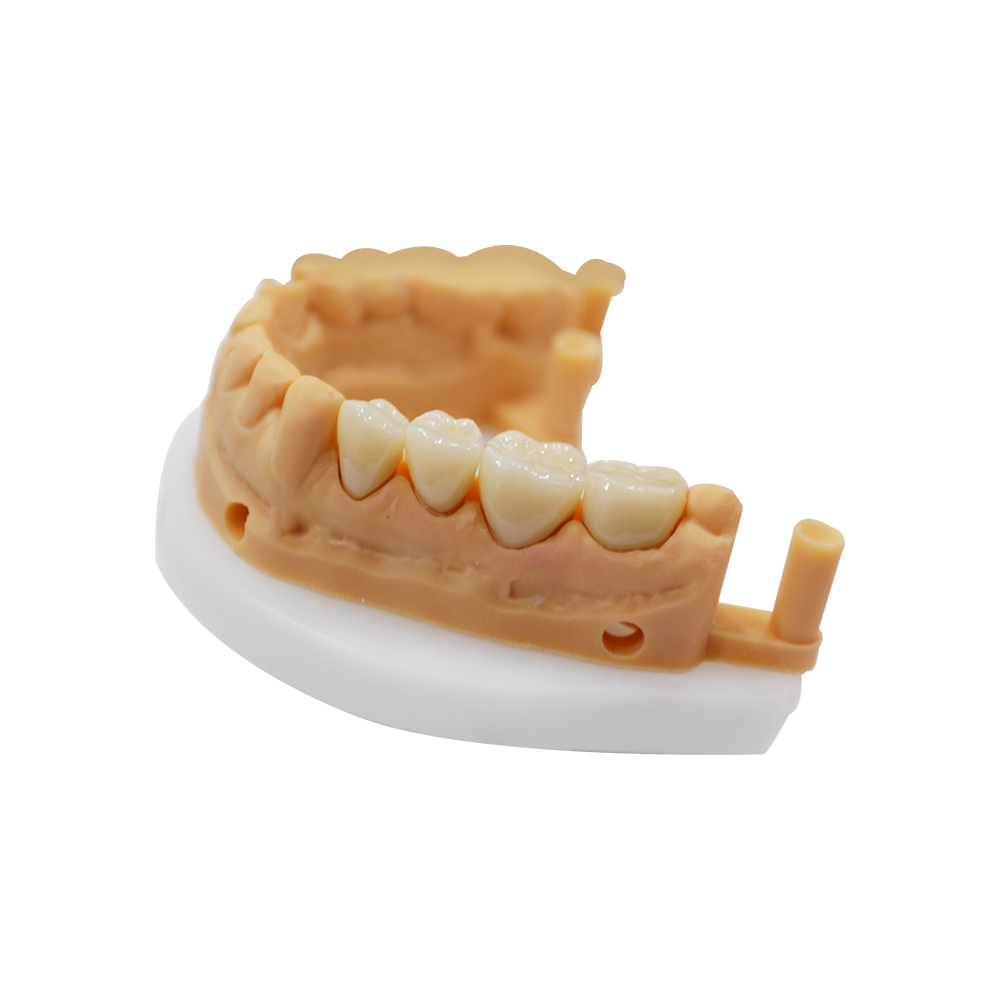
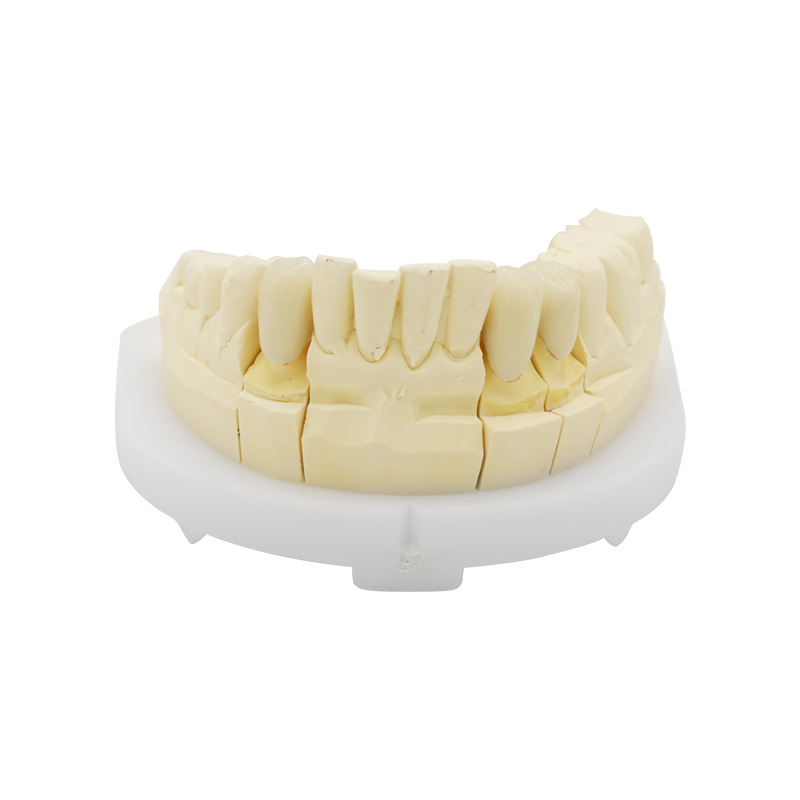
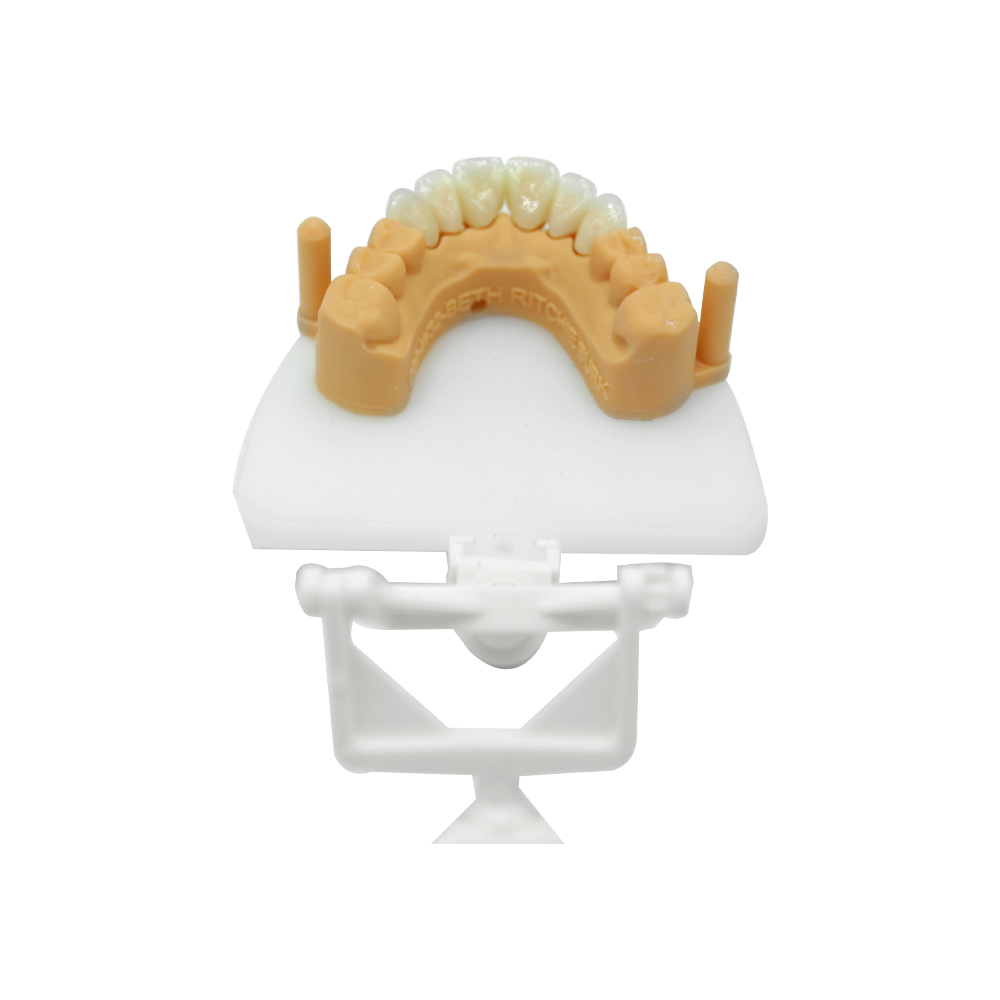
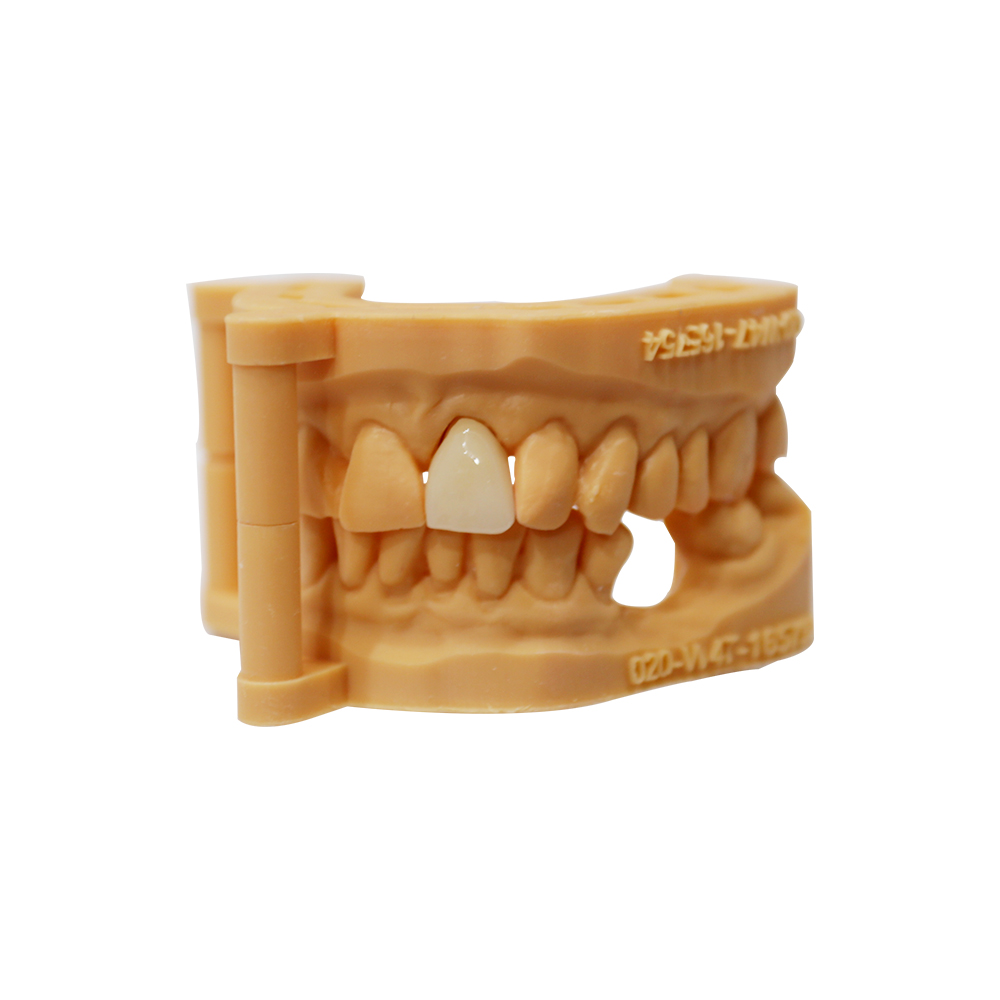
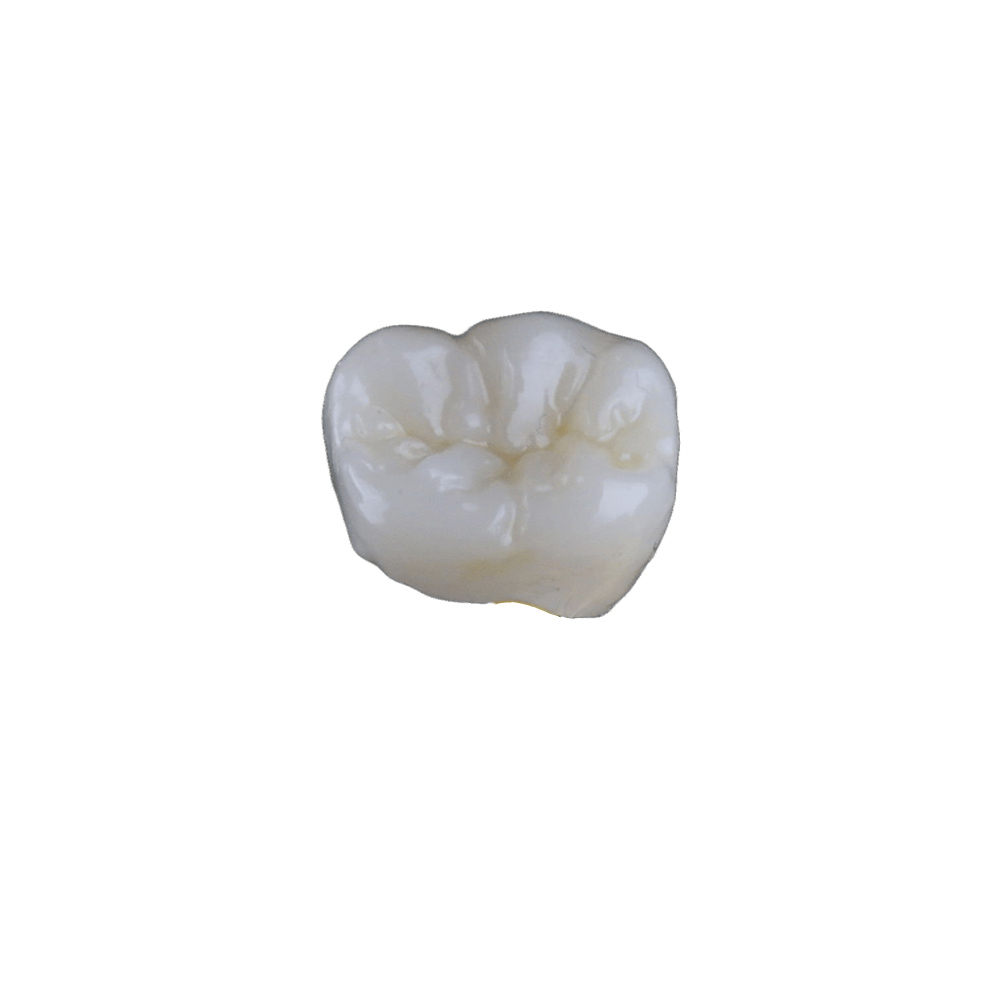
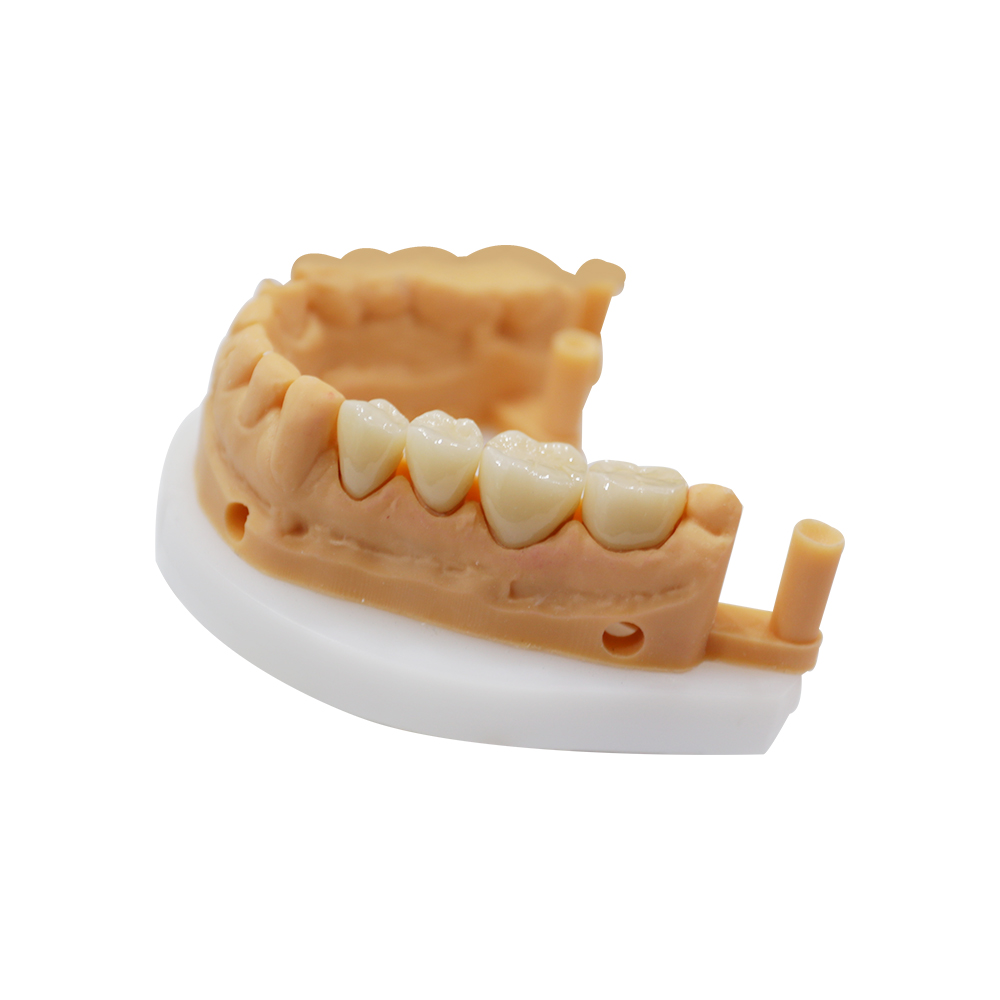
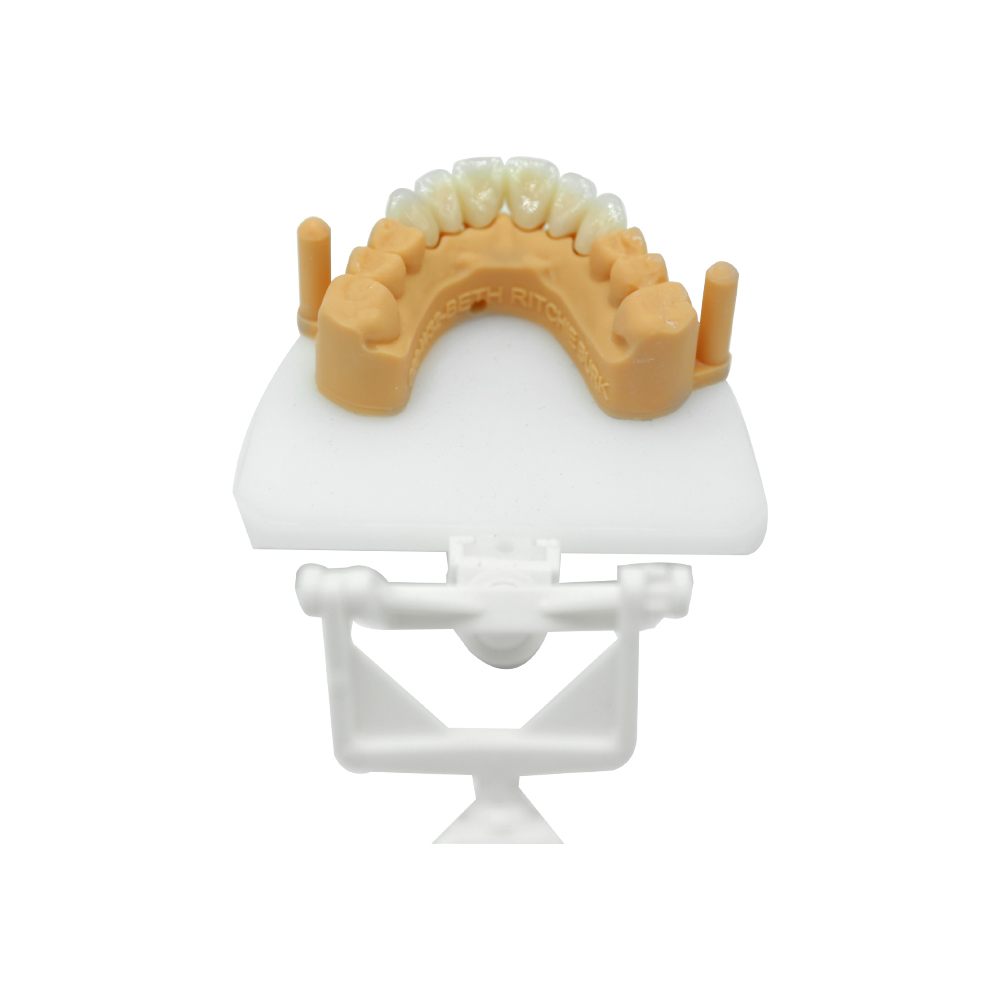
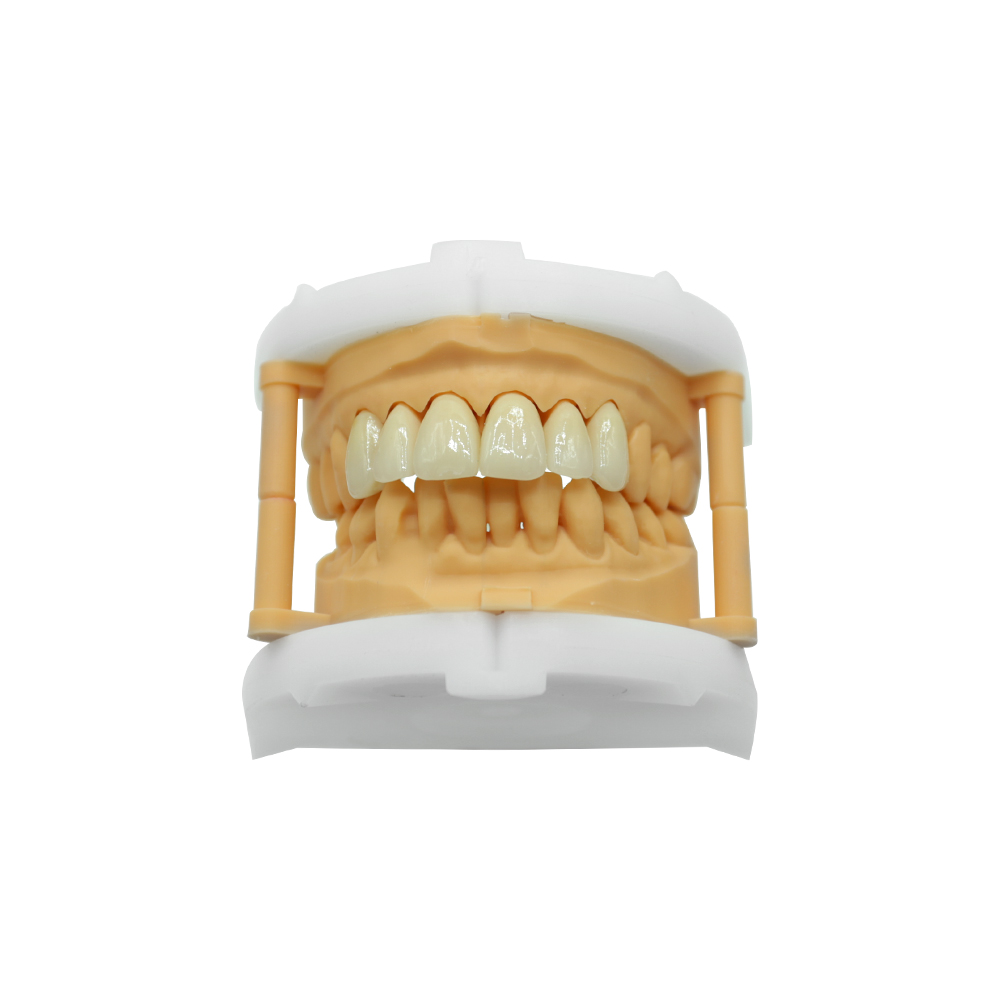
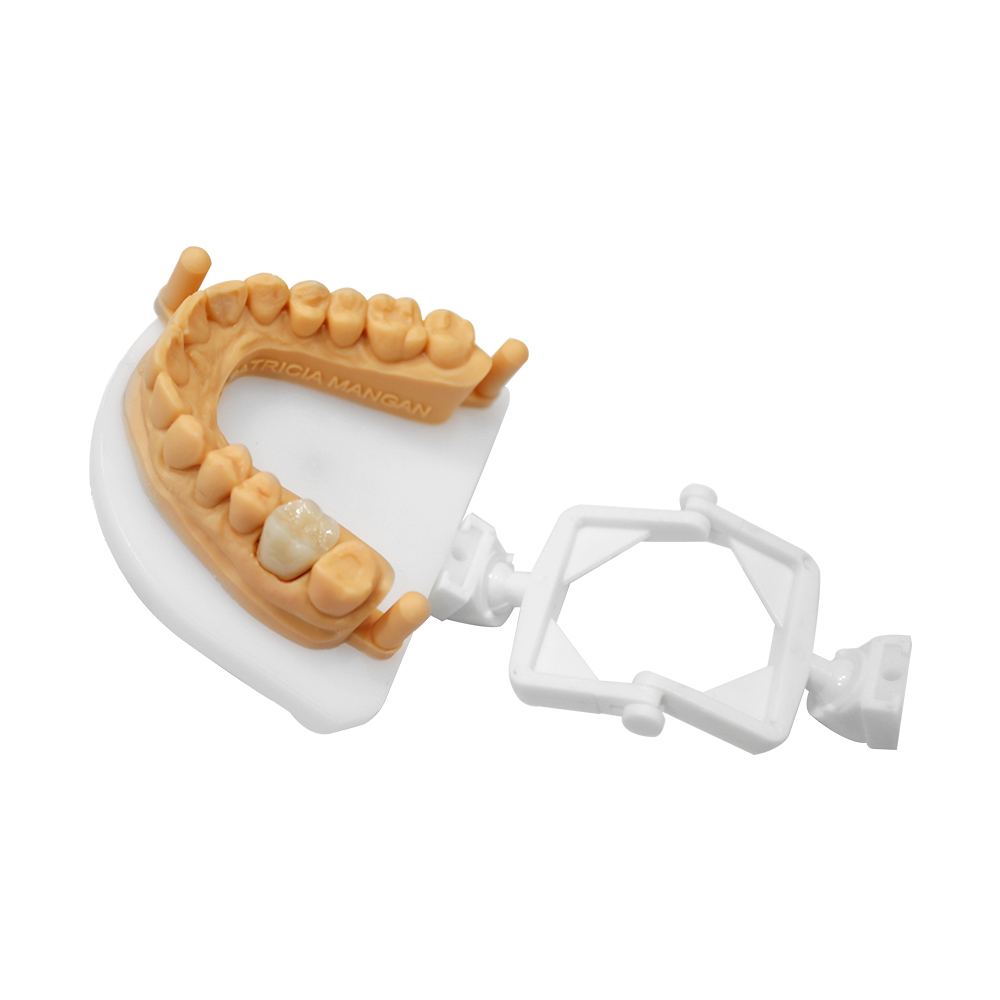
Options
| Monolithic (full-contour) | Milled to final anatomy from multilayer gradient discs; stained and glazed. Maximum strength, minimal chipping risk. |
|---|---|
| Layered | High-strength zirconia framework with hand-layered porcelain for incisal character. |
| Shades | VITA classical and 3D-Master shades; multilayer gradient discs for natural cervical-incisal transitions; custom staining from photos or shade tabs. |
| Translucency | High-translucency discs for aesthetic zones; standard and high-strength discs for posterior and long-span work. |
| Material classes | Yttria-stabilized zirconia across the industry-standard 3Y / 4Y / 5Y strength-translucency classes - the disc class is chosen per indication and confirmed with you before milling. |
| Cementation surfaces | Bonded or conventional; specify preparation material and cementation plan in the RX. |
Specifications & industry guidance
| Parameter | Industry reference | Notes |
|---|---|---|
| Flexural strength (material class) | 3Y: 1,000-1,200 MPa · 4Y: 800-1,000 MPa · 5Y: 600-800 MPa | Higher translucency grades trade some strength |
| Recommended minimum thickness | Occlusal 1.0 mm · axial 0.5 mm (monolithic) | Full-contour posterior units |
| Translucency | ~35-45% (high-translucency grades) | Multilayer discs carry a shade gradient |
| Cementation | Self-adhesive or resin cement; adhesive for short preparations | Conventional cements acceptable on retentive preps |
| Typical indications | Single units, bridges up to full arch, implant crowns, bruxism cases | Span limits confirmed at design |
Practical guidance for your prescriptions
- Prep design: 1.0-1.5 mm occlusal reduction for posterior units keeps the material in its strength zone.
- Avoid sharp internal angles - rounded line angles reduce ceramic stress concentration.
- For bruxism patients, monolithic zirconia with 1.5 mm occlusal thickness is the common specification.
- Multilayer discs position the most translucent layer incisally - note the margin level so the right zone lands at the gingiva.
Reference figures are widely accepted industry values for the material/system class - case-specific parameters are confirmed at design. Reviewed by the Istar case coordination team.
Indications & limits
Material choice is confirmed against the case: for very reduced occlusal clearance, heavy bruxism or long spans, our technicians will propose a framework design or an alternative material before production - never after a failure.
Shade reproduction depends on what we receive: a photo without a shade tab, or a tab photographed under warm room light, will be confirmed back to you as an assumption, not a match.
What to submit with your case
- STL scan (or model/impresion) of the prepared tooth and opposing arch
- Rx form with material, shade (and translucency level), margin design
- Bite registration for multi-unit and excursive-demand cases
- Reference photos with a shade tab in frame for aesthetic zones
- Notes on antagonist material and preferred contact tightness
How the case is made & checked
Every case is inspected for marginal fit on the die or model, proximal contacts, static and dynamic occlusion and colour against the prescription. Inspection records, photos and sign-offs are retained and traceable to technician, equipment and material batch.
Production time & shipping
Routine zirconia crown and bridge cases are produced on our standard 2-3 lab day workflow; complex multi-unit cases are scheduled individually and confirmed at case acceptance. The clock starts when your case data is complete and approved - missing information, design approval and customer replies do not count toward production time. Shipping time is separate and depends on destination and courier.
Real cases
Posterior zirconia bridge after PFM fracture
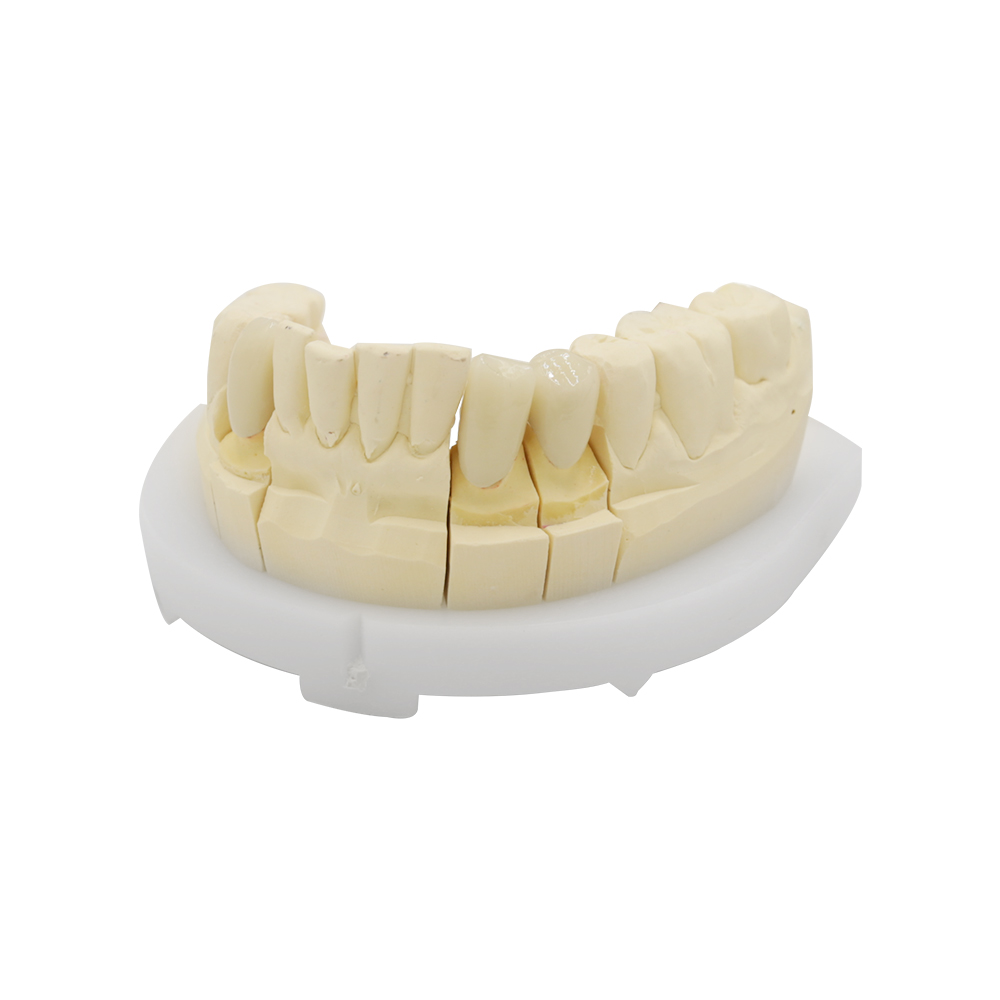
A European client laboratory sent a three-unit posterior case with reduced occlusal space and a history of porcelain fracture on the previous PFM. Monolithic zirconia was chosen over layered porcelain; contacts and occlusion were confirmed from the design preview. The case shipped within standard turnaround and the client reported the fit required no adjustment.
Pricing & fees
Quotations follow our B2B price list by material and restoration type; volume pricing is available for account customers. The confirmed price covers production, standard components and packaging; courier freight and destination import duties are billed separately. Rush handling is confirmed in writing before the case enters production.
If something goes wrong
Laboratory-side remakes are covered free of charge - see the full remake & warranty policy. Every remake starts with a root-cause analysis you are part of.
Frequently asked questions
When is monolithic zirconia the better choice?
How do we communicate a difficult shade?
What span can a zirconia bridge reach?
Which zirconia materials and discs do you use?
Can zirconia crowns be used on implants?
Are zirconia crowns safe for bruxism patients?
What happens if a zirconia crown does not fit?
Ready to send your first case?
Request the price list or tell us about your first case - a named coordinator replies with the next step, not a sales script.
Get QuoteStart Your First CaseRelated pages
Crown & Bridge overview · E.max · Remakes & Warranty · Get Quote