Partial Dentures
One tooth or ten, acrylic or cast chrome - partials are precision work, and the clasp design decides whether the patient keeps wearing it.
What we offer & who it is for
For practices prescribing partial dentures and for laboratories outsourcing framework and flexible production, including repairs and additions.
Work from this line
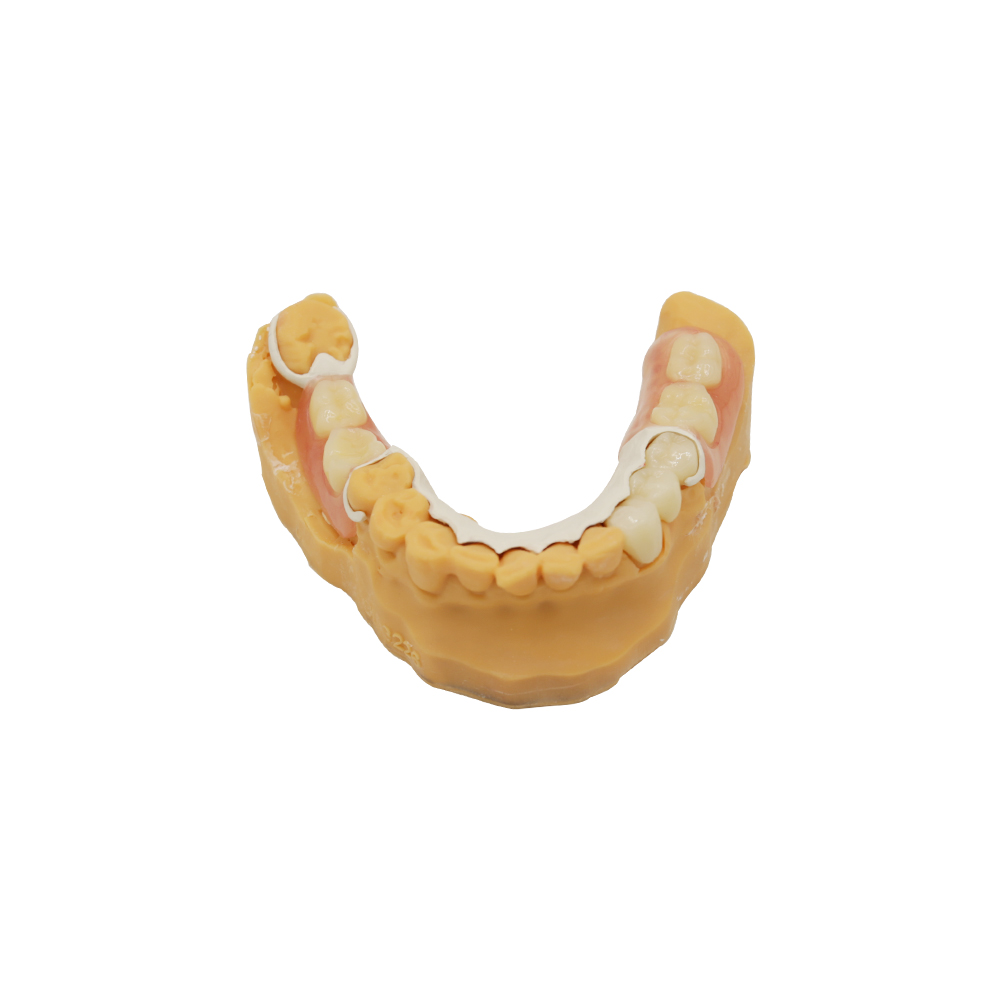
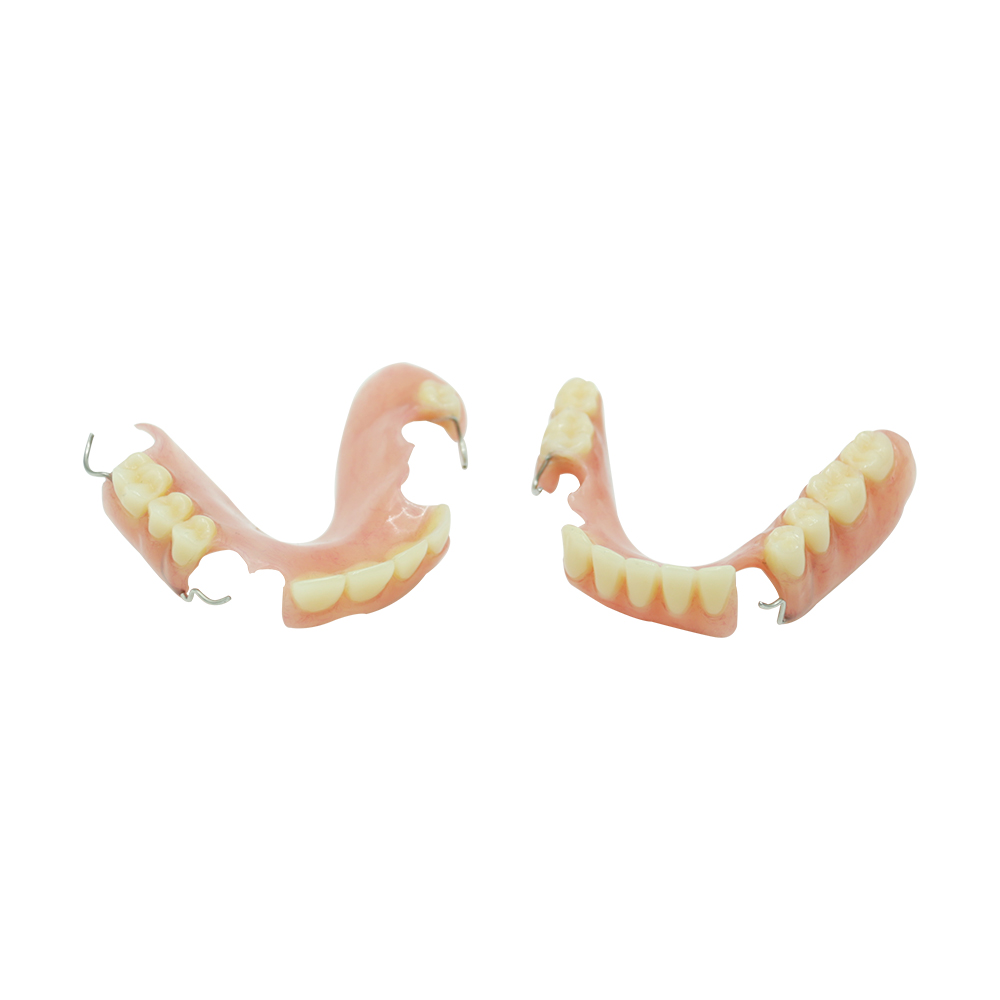
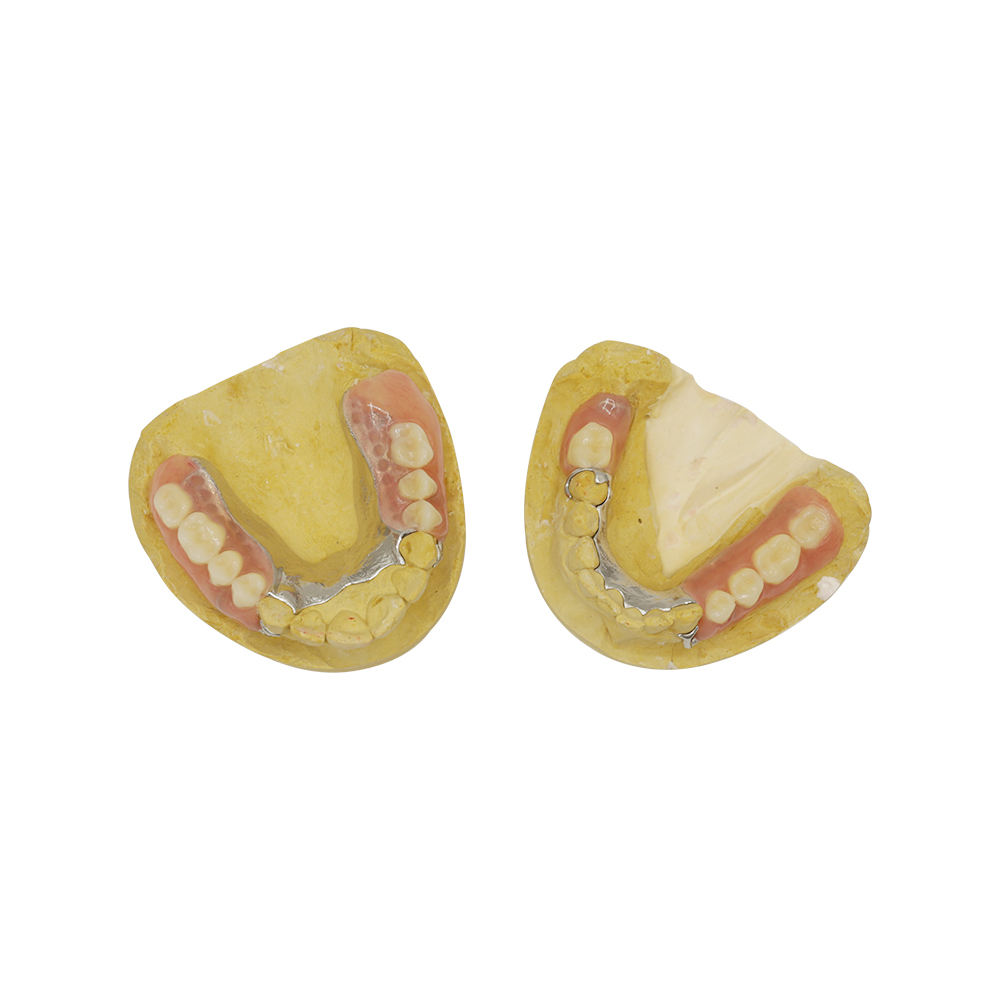
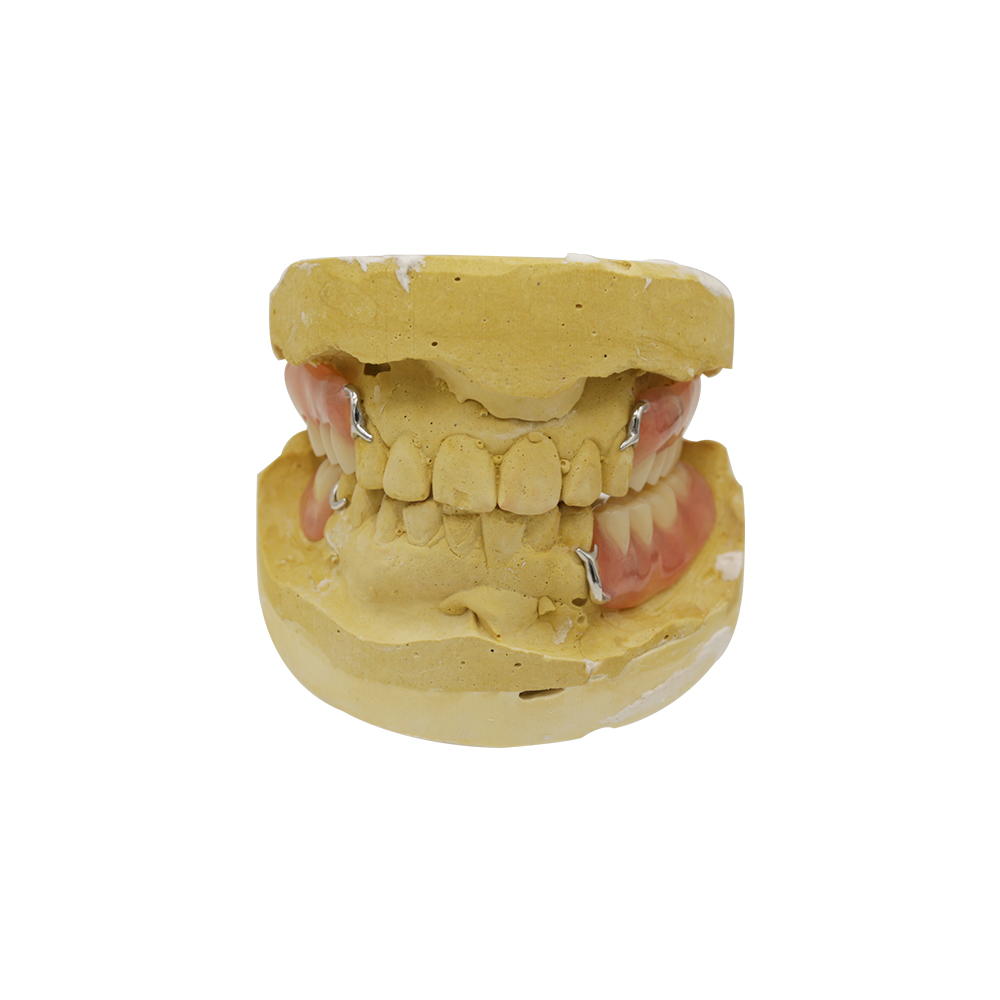
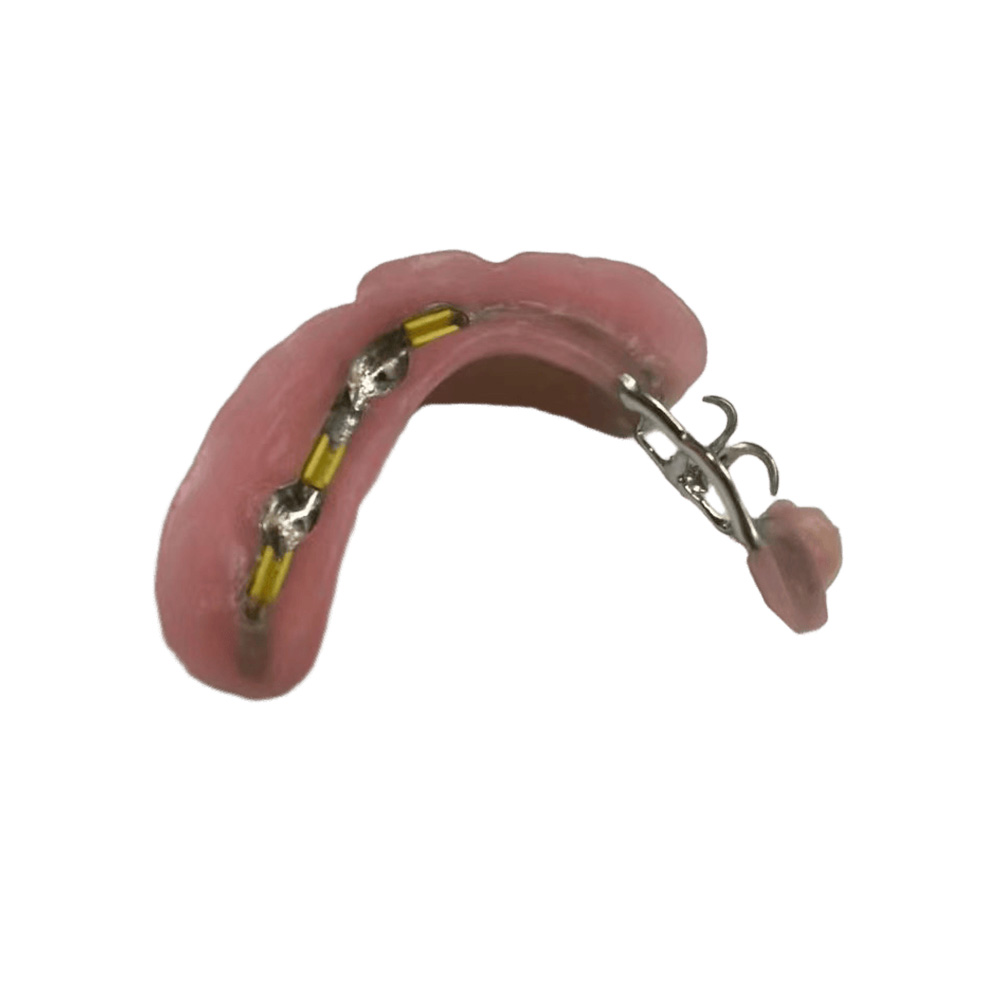
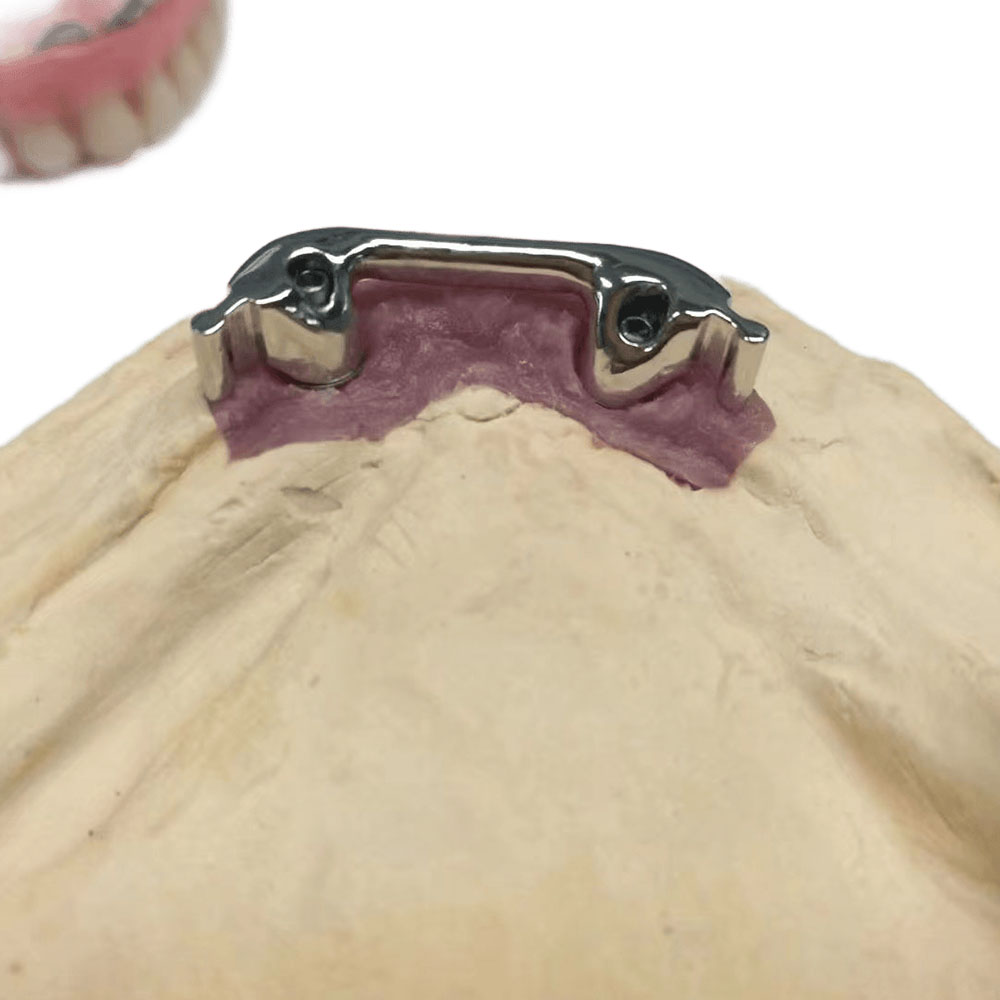
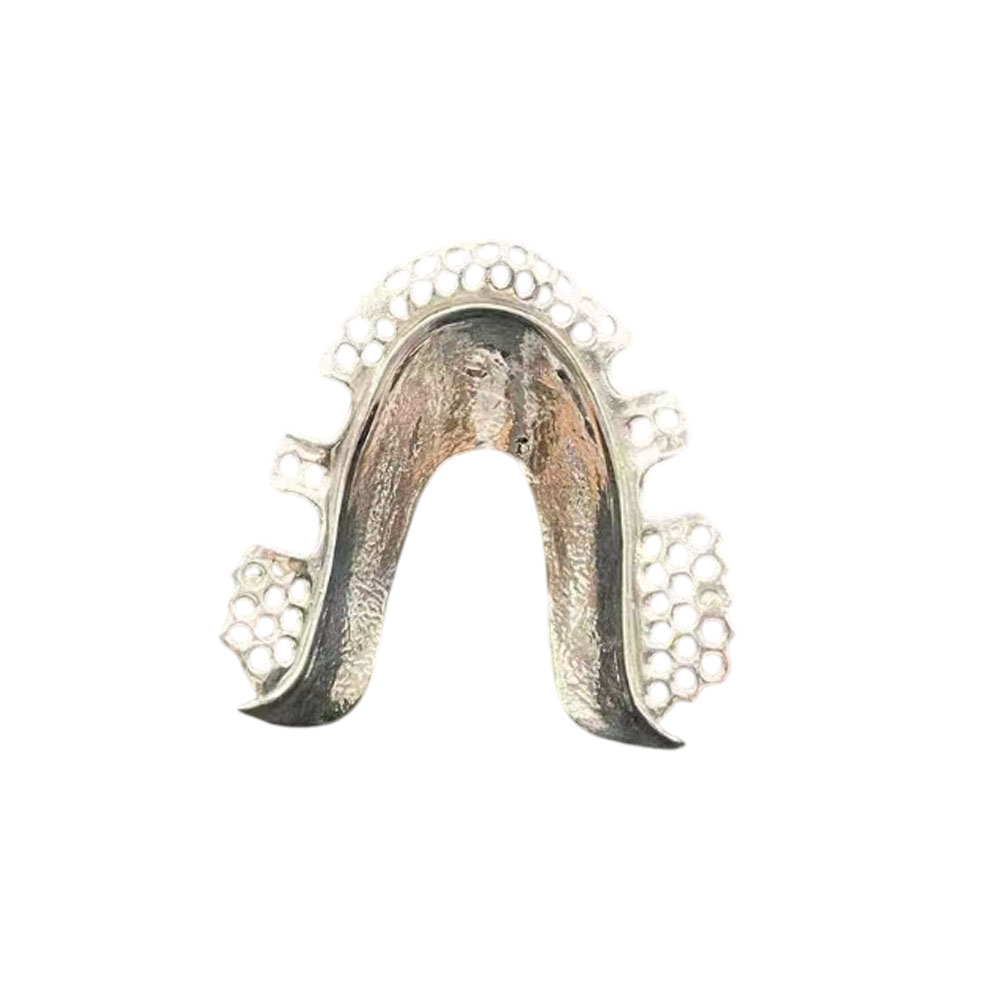
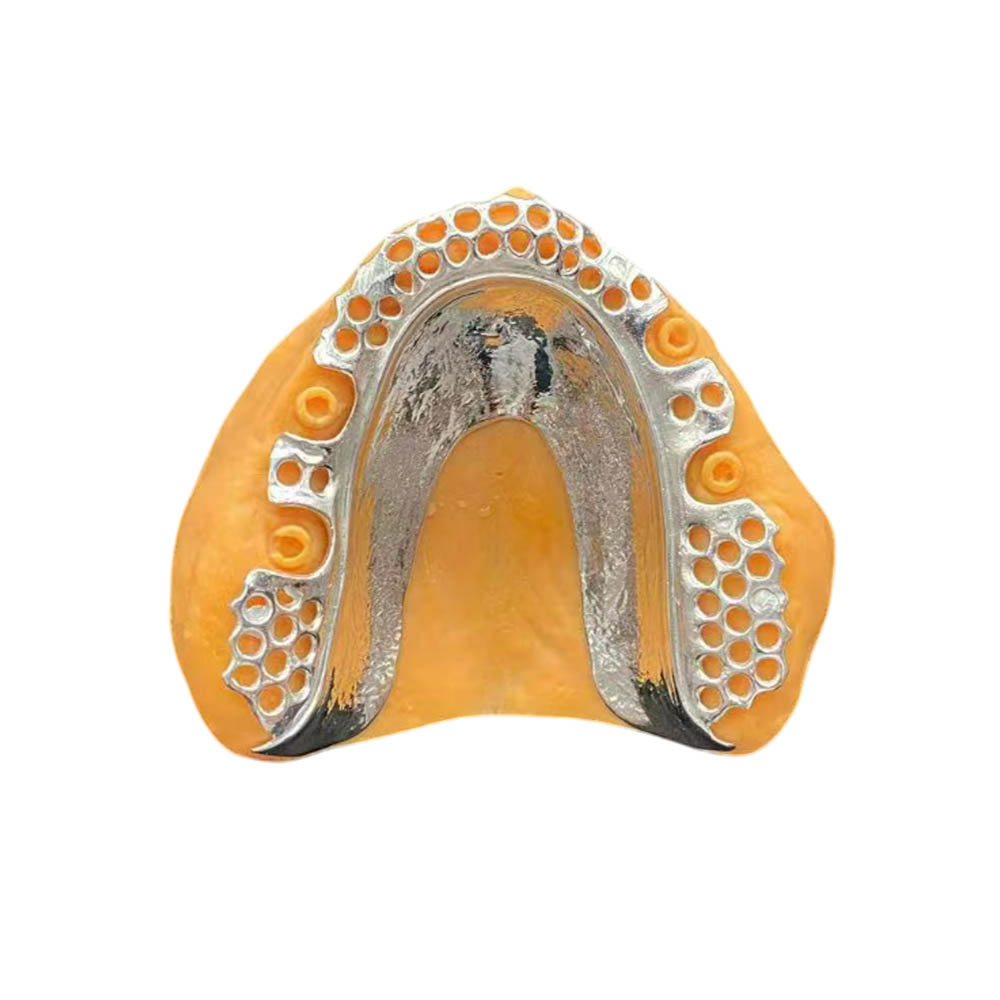
Options
| Acrylic partials | Economical, add-on friendly; interim or where future extractions are expected. |
|---|---|
| Cast frameworks | CoCr, titanium or Vitallium with precise clasps; alloy documentation on request. |
| Flexible (valplast-type) | Tooth-coloured clasps, comfortable, no metal; repairable and relineable. |
| Repairs & additions | Clasp/base repairs, relines, rebasing and tooth additions on existing partials. |
Specifications & industry guidance
| Parameter | Industry reference | Notes |
|---|---|---|
| Framework options | Cast cobalt-chromium · cast titanium · flexible valplast-type · acrylic temporary | Confirmed at design stage |
| Major connector thickness (typical) | CoCr 0.8-1.2 mm | Rigid connectors per survey design |
| Clasp options | Cast clasp · I-bar · precision attachment | Planned digitally from the survey |
| Design method | Digital survey: path of insertion, guide planes and clasps planned before production | Design sent for confirmation |
| Typical indications | Kennedy classes I-IV, combination cases with abutment crowns | Attachments coordinated as one case |
Practical guidance for your prescriptions
- Capture edentulous ridge areas clearly in the scan or impression - partial designs fail on poor ridge definition.
- If abutment crowns are planned, include them in the same case so rest seats and attachments are milled together.
- Flexible partials suit interim use; cast frameworks remain the standard for long-term wear.
- Note any occlusal rest preferences and the survey line concerns per abutment on the prescription.
Reference figures are widely accepted industry values for the material/system class - case-specific parameters are confirmed at design. Reviewed by the Istar case coordination team.
Indications & limits
For free-end saddles, cast frameworks generally win on support and stability; flexible wins on clasp aesthetics and comfort. We advise per case rather than assume.
Survey design drives clasp placement: if aesthetics-critical clasps must move, flag it in the prescription and we propose the design before processing.
What to submit with your case
- Impression or scan with clear abutment identification
- Rx form with material choice and clasp preferences
- Shade and mould for replacement teeth
- Bite registration for extension-base cases
- For repairs: the prosthesis itself, well packed
How the case is made & checked
Framework fit, clasp retention and occlusion are inspected before release; repairs are function-tested against the cast.
Production time & shipping
Routine partials on the standard removable workflow; repairs and additions on short turnaround confirmed at acceptance.
Real cases
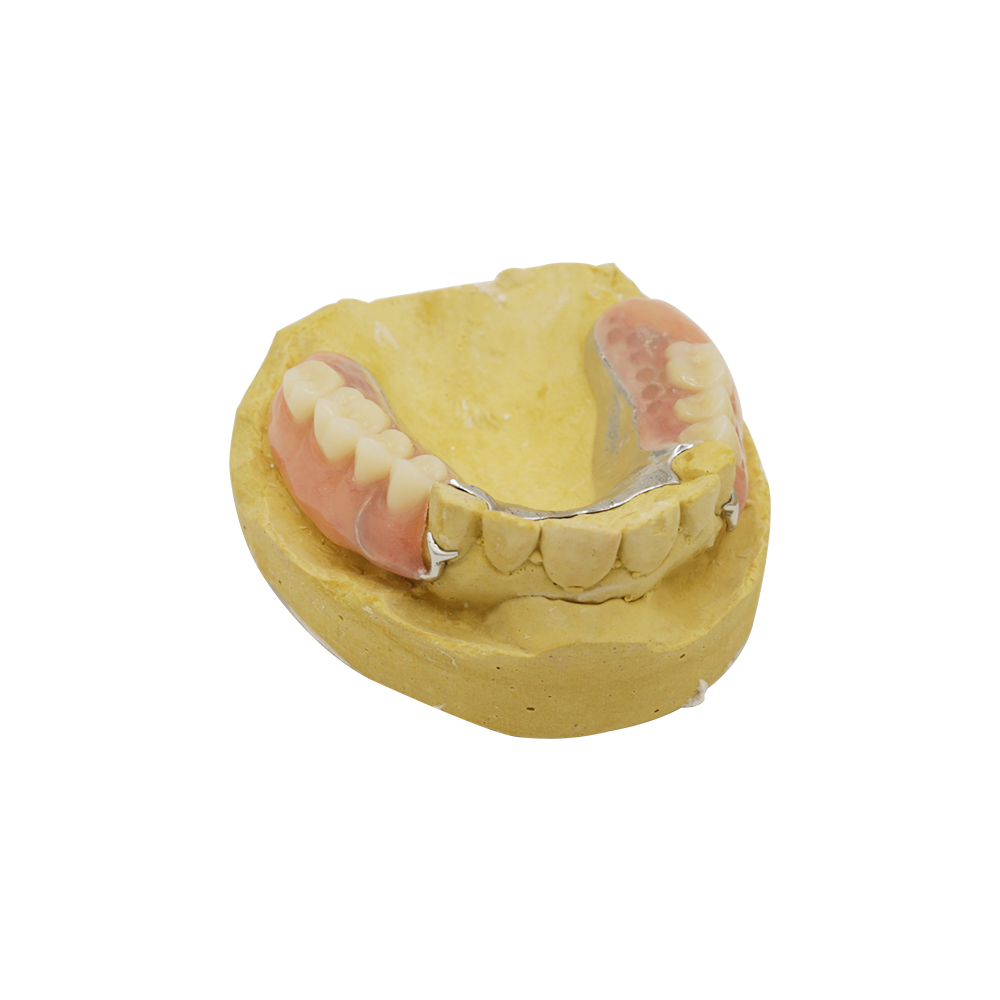
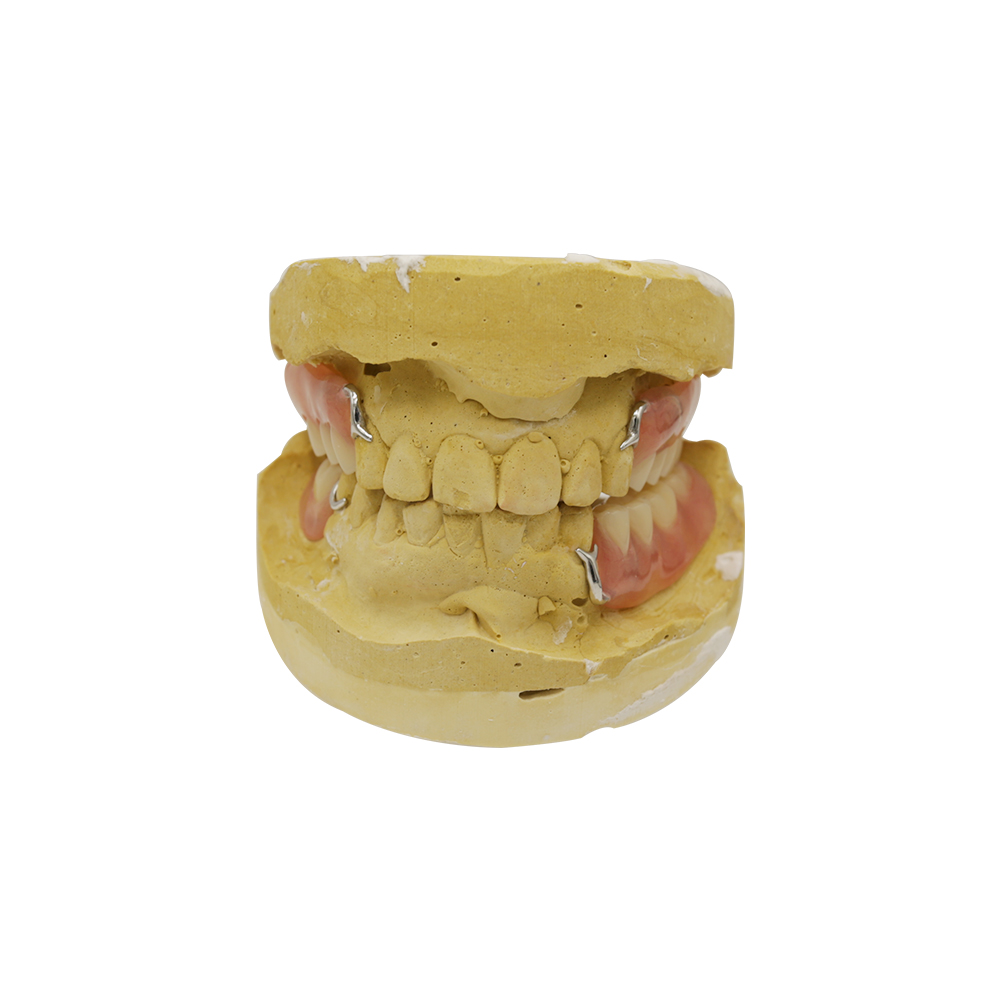
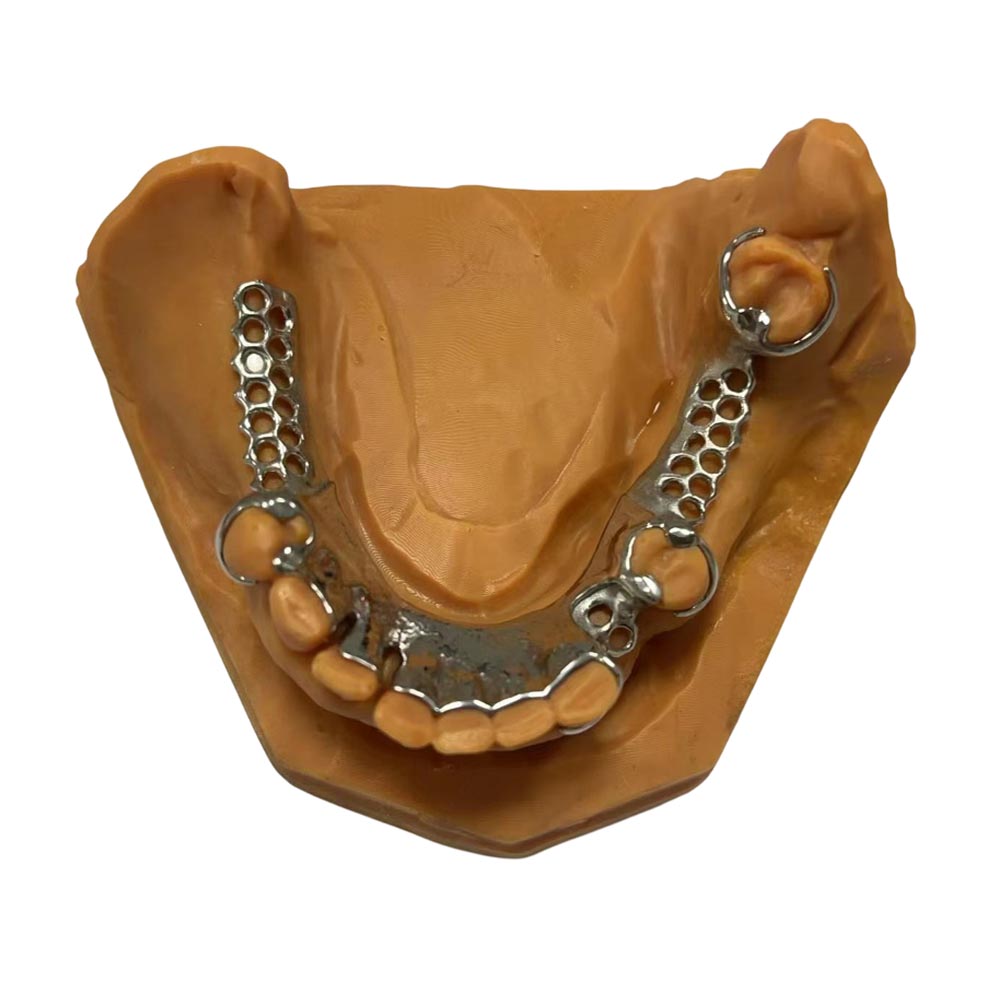
Cast CoCr framework replacing a fractured acrylic partial
Survey-driven clasp placement moved the visible clasp away from the smile line; framework shipped with alloy documentation.
Pricing & fees
Priced by material and complexity per the B2B price list; repair quotes confirmed before work starts. Freight and duties separate.
If something goes wrong
Laboratory-side remakes are covered free of charge - see the full remake & warranty policy. Every remake starts with a root-cause analysis you are part of.
Frequently asked questions
Can flexible partials be repaired or extended?
Cast metal or flexible for a Kennedy Class I?
Which framework options do you offer for partials?
How do you design the clasp and path of insertion?
Can you combine a partial with crowns on abutment teeth?
What records do you need for a partial denture case?
Ready to send your first case?
Request the price list or tell us about your first case - a named coordinator replies with the next step, not a sales script.
Get QuoteStart Your First Case